Why Your Washing Machine Drum Decides Whether Activewear Pills
Quick Answer: Pilling is caused by fibers rubbing against each other and against other fabrics. An overloaded drum maximizes that friction, and so does washing activewear with towels, denim, or zippers. Half-full loads, cold water, inside-out garments, and a mesh bag do more to prevent pilling than any detergent choice.
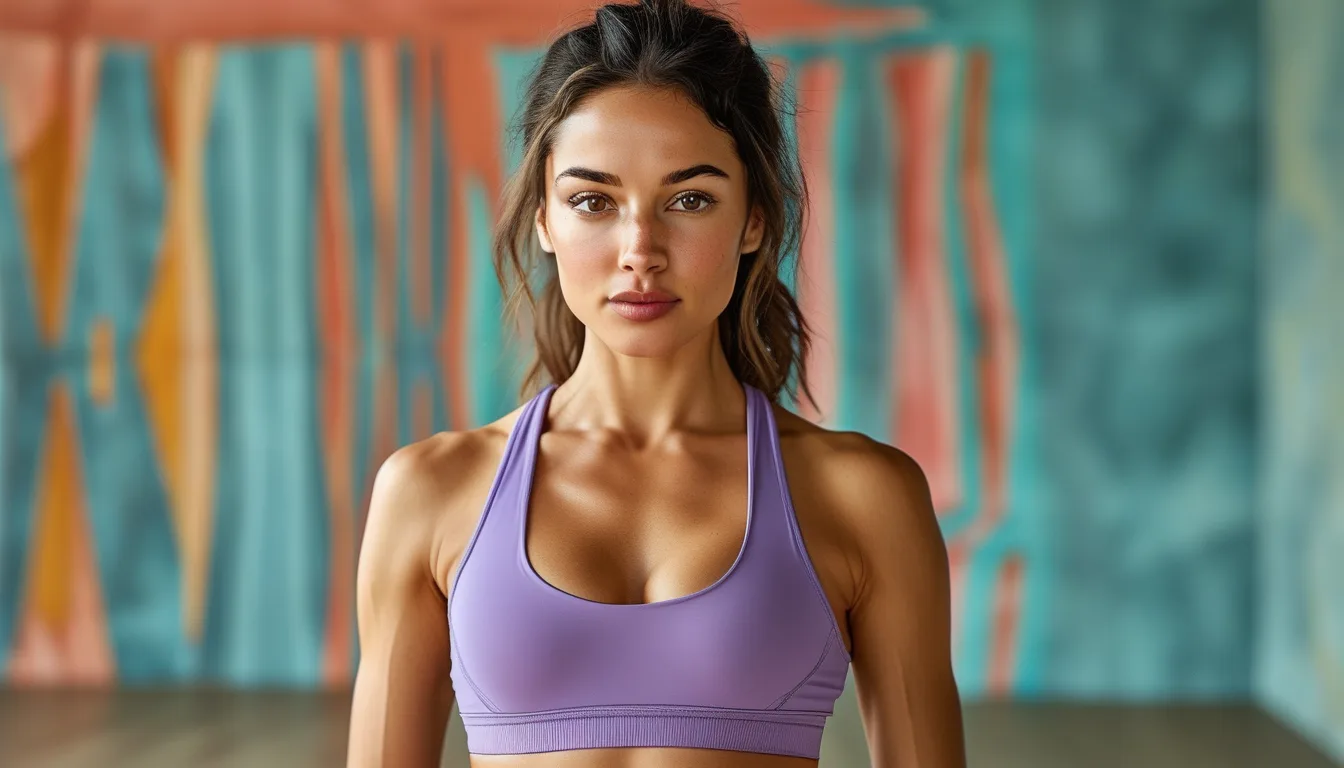
The leggings that looked perfect for six months suddenly have a fuzzy patch on the inner thigh, and the sports bra has gone slightly furry across the back.
It is not the fabric giving up. It is thousands of small abrasion events, and almost all of them happened in the twenty minutes your machine was agitating an overstuffed drum.
What actually causes pilling?
Friction, and specifically friction between fabric surfaces under pressure.
A pill is a small ball of tangled fibers. It forms when short fiber ends work loose from the fabric surface, get rubbed together, and tangle into a knot that stays attached.
Every rub is a small contribution and they accumulate. One wash does almost nothing visible. Fifty washes in a crowded drum produce a garment that looks worn out well before it has actually worn out.
Synthetic fibers pill differently from natural ones, and worse in one specific way. The fibers themselves are strong, so once a pill forms it does not break off and fall away - it stays attached, which is why polyester and nylon activewear looks fuzzy for the rest of its life while a cotton shirt sheds its pills.
Pressure multiplies friction. In a packed drum, garments are pressed against each other with real force while being tumbled, and the same movement produces far more abrasion than it would in a half-empty machine.
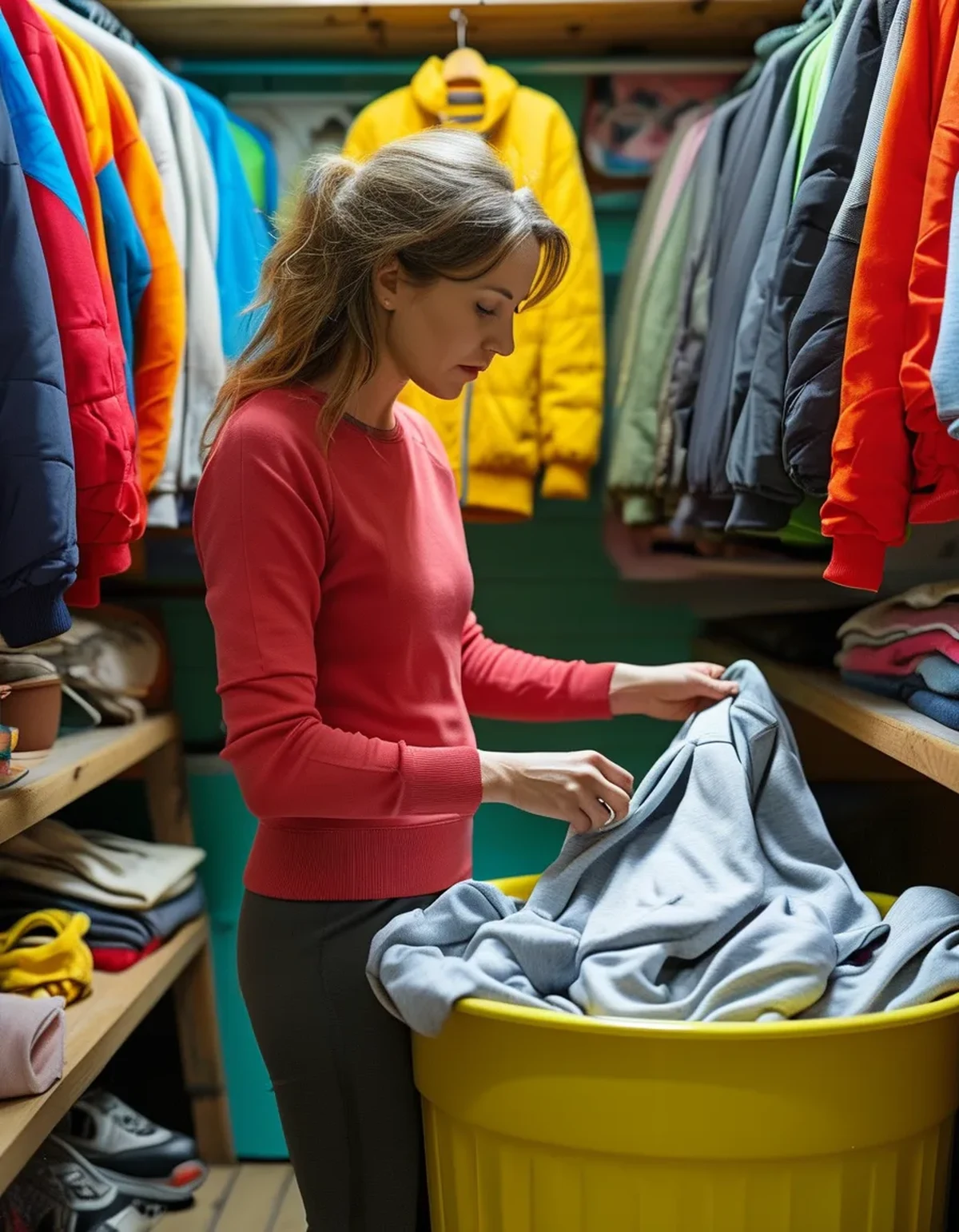
Abrasive companions do enormous damage. Towels shed and their loops catch. Denim is a coarse, hard surface. Zippers, hooks, and velcro are localized destruction machines. A single bra hook can put a run in a pair of leggings in one cycle.
Which is why the strongest predictor of a wardrobe that pills is not what people buy, but how they load the machine.
What does a low-friction wash look like?
Emptier, cooler, gentler, and sorted.
Wash smaller loads. Half to two-thirds full is the target. This is the single highest-impact change and it is the one most people resist because it feels wasteful. A drum with room lets garments move through water instead of grinding against each other.
Separate activewear from towels, denim, and anything with hardware. This is the second highest-impact change and it costs nothing. If you do one thing, make it this one.
Turn everything inside out. The surface that rubs is then the inside of the garment, so any pilling that does occur is on the face you do not see - and the printed or textured outer surface is protected.
Use a mesh bag for bras and anything with hooks. It contains the hardware and stops it finding your leggings.
Wash cold. Heat relaxes and swells fibers, making them easier to work loose, and it degrades elastane over time. Cold water is better for the fabric on every dimension that matters.
Use less detergent, and skip fabric softener entirely. Softener coats synthetic fibers, traps odor, and reduces moisture-wicking performance - it is actively counterproductive on activewear. Excess detergent leaves residue that stiffens fabric and makes abrasion worse.
And air dry. A tumble dryer is a heated friction machine, which is precisely the combination that creates pills. Line drying activewear is fast anyway, because the fabric is designed to dry quickly.
What Nobody Tells You About Autumn Laundry
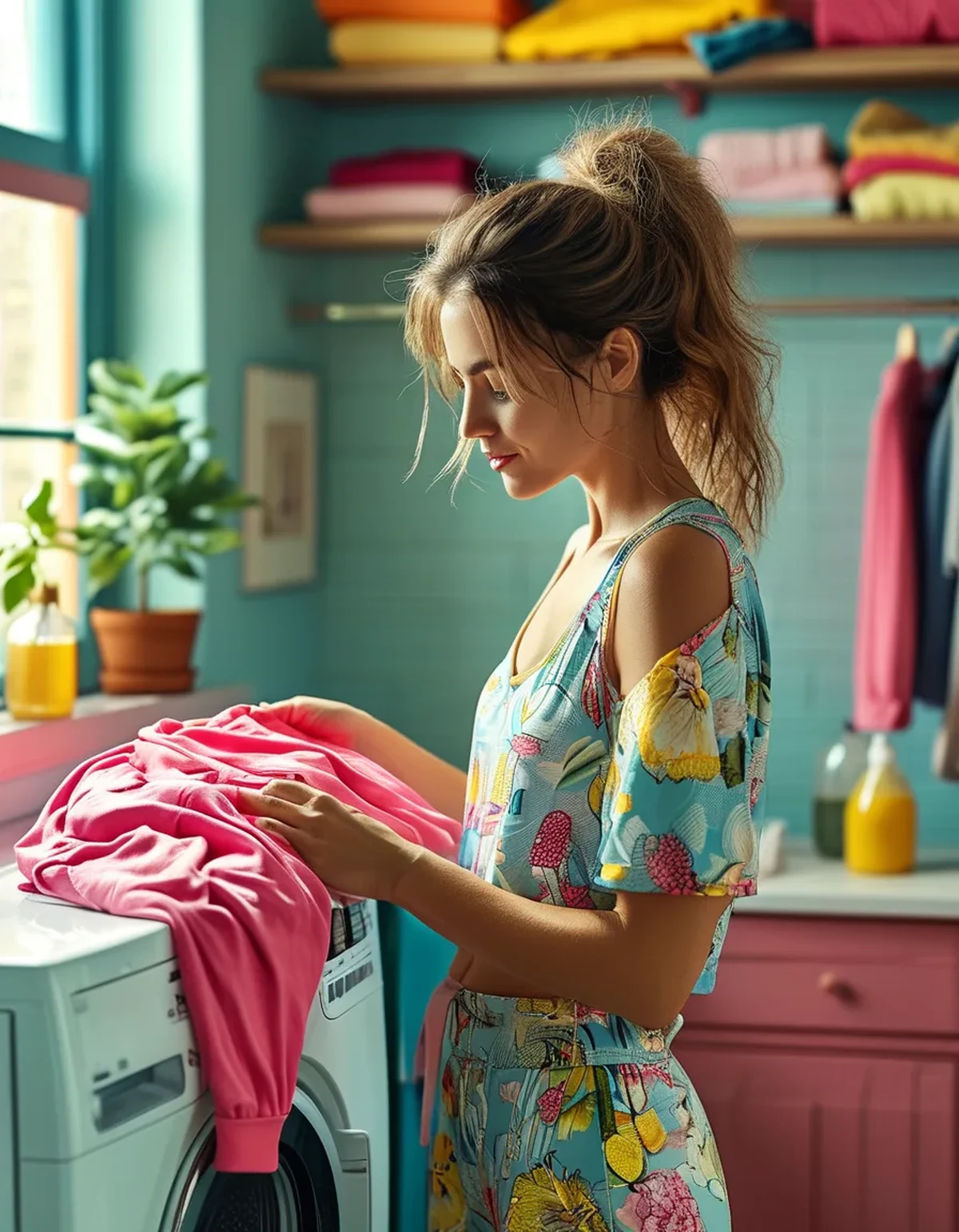
Indoor drying changes the smell profile. As the weather turns and clothes come inside to dry, slower drying gives odor-causing bacteria more time to work. Activewear that smelled fine when line-dried outdoors in August develops a musty note in October - and the cause is drying time, not the wash.
More layers means more loads, and more loads means more wear cycles. Autumn wardrobes involve more garments per outfit, so everything you own goes through the machine more often. The per-wash damage matters more in October than in July.
Static builds in dry indoor air, which makes garments cling to each other in the dryer and in the wardrobe, adding friction where there was none.
Wool and merino enter the rotation and they need different handling from synthetics - cooler, gentler, no tumble drying at all, and never with anything abrasive. A merino base layer washed with towels is destroyed remarkably quickly.
Damp indoor drying can raise humidity noticeably in a closed autumn home, which is worth a cracked window or an extractor fan - both for the clothes and for the walls.
And the pilling you notice in autumn often happened in summer. Pills accumulate invisibly and then cross a threshold where you suddenly see them. The wash habits that produced this month’s fuzzy leggings were last season’s.
How do you deal with pills that already exist?
Remove them properly, and stop the process rather than just the symptom.
A fabric shaver is the correct tool and it is inexpensive. It cuts the pills off flush without pulling fibers, and it genuinely restores the look of a garment. Use it on a flat surface with the fabric stretched slightly.
Do not pull pills off by hand. Pulling drags the fiber out of the fabric, thinning it and creating the conditions for the next pill. It is the most common way people make it worse.
A disposable razor works in a pinch on a flat area with light pressure, and it carries a real risk of cutting the fabric on anything stretchy or textured. The purpose-made tool is a couple of pounds and does not do that.
Accept that heavily pilled areas will return faster. Once a surface has been disrupted, the fibers are shorter and looser and pill again sooner. Removal is maintenance, not a cure.
Then fix the cause, which is almost always load size and what the garment is being washed with.
And know when a garment is done. Pilling is cosmetic; loss of elasticity is functional. A pair of leggings that has gone baggy at the knees and no longer recovers has actually reached the end of its life, whereas a fuzzy but still elastic pair has years left after ten minutes with a shaver.
One more thing worth knowing: pilling on the inner thigh specifically is usually caused by wear rather than washing - friction between the legs during movement. Washing habits will not prevent that one, and a slightly different cut or a denser fabric will.
FAQ: Activewear Pilling Questions, Answered
Does more expensive activewear pill less?
Somewhat - longer, finer, more tightly spun fibers resist pilling better, and that costs money. But a well-washed inexpensive garment easily outlasts a badly washed expensive one, so laundry habits matter more than price.
Is a washing machine or a dryer worse for pilling?
The dryer, generally - it combines heat, friction, and static with no water to cushion the contact. Air drying activewear is the single easiest upgrade to a laundry routine.
Do laundry balls or dryer sheets help?
Dryer sheets and fabric softener both coat synthetic fibers and reduce wicking performance, so they are the wrong choice for activewear regardless of their effect on pilling. Wool dryer balls reduce drying time and static if you must tumble dry.
Why does only one area of a garment pill?
Because that area gets the most friction, either in the machine or in wear. Inner thighs, the back of a sports bra under a strap, and anywhere a bag sits are wear-driven rather than wash-driven.
TL;DR:
- Pilling is accumulated friction, and a packed drum presses garments together under pressure for the whole cycle - load size is the strongest predictor.
- Separate activewear from towels, denim, and anything with hooks or zippers, and use a mesh bag for bras.
- Wash cold, inside out, with less detergent and no fabric softener, and air dry rather than tumble.
- Use a fabric shaver rather than pulling pills off by hand, and judge a garment’s real lifespan by its elasticity rather than its fuzz.
The detergent aisle is not where this is decided. It is decided by how much room the clothes had to move.
See It in Motion
Seen here: Super High Waist Embossed Yoga Leggings with Inner Pocket — shop it on bubblelime.com
Keep Reading
This article is for general informational and styling purposes only. Fit, sizing, and product availability may vary.